Ships in 2 to 5 working days. Delivery quoted from your address at checkout.
4,529 words · no email, no account
No. 054 · Movements · Social Issues
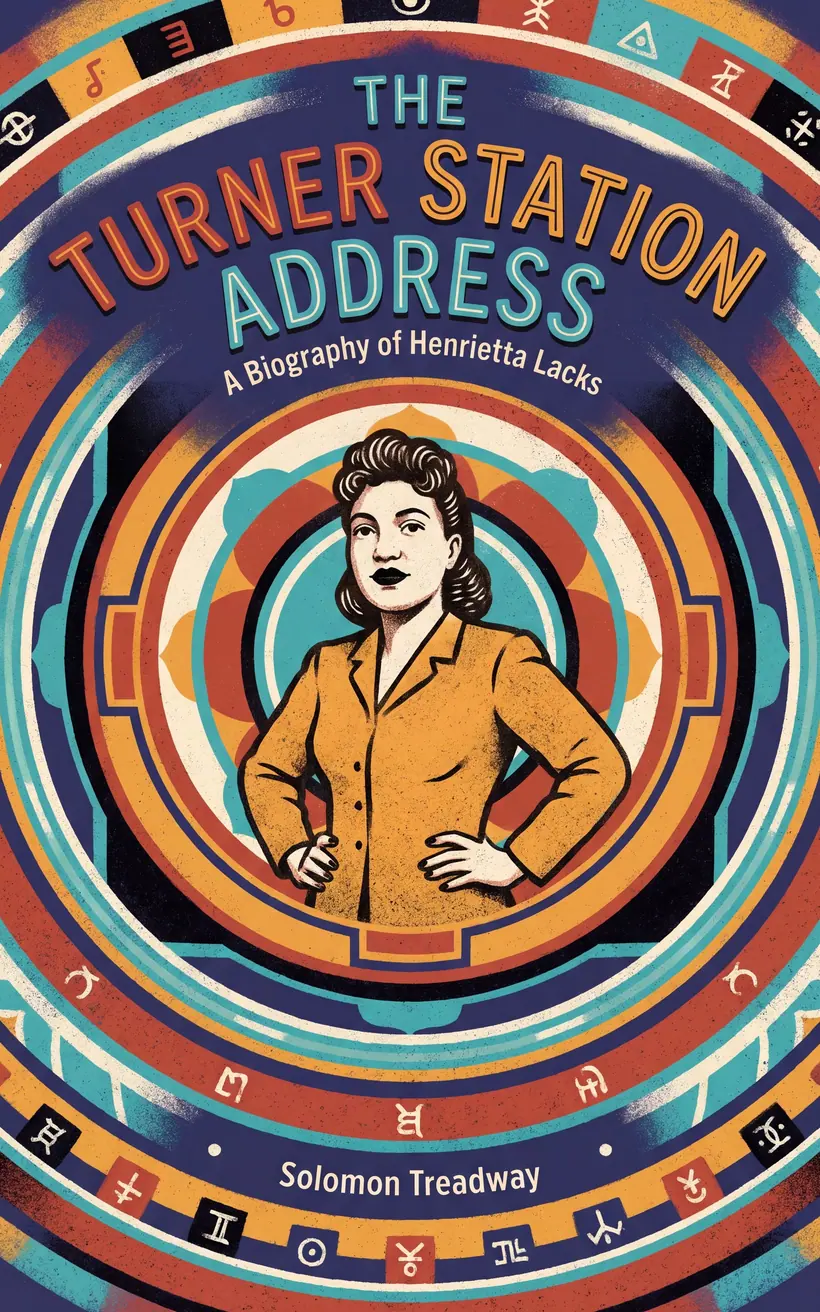
The Turner Station Address
a biography of Henrietta Pleasant Lacks
What the book is
She was born Loretta Pleasant on August 1, 1920, in Roanoke, Virginia, the ninth of ten children to a tobacco-farming family. She married her first cousin David "Day" Lacks at twenty and moved with him to the Sparrows Point steel mill outside Baltimore. On February 1, 1951, at Johns Hopkins Hospital — the only institution in the segregated city that would treat Black patients — Dr. Howard Jones diagnosed her with cervical cancer. During her radium treatment, a sample of her cancer cells was taken without her knowledge and given to George Gey's tissue-culture laboratory. The cells became the first immortal human cell line. They are called HeLa. They have been used in the development of the polio vaccine, in vitro fertilisation, gene mapping, COVID-19 vaccine research, and every cancer drug developed in the last seventy years. Henrietta Lacks died on October 4, 1951, at thirty-one. She is buried in an unmarked grave in Clover, Virginia.
Solomon Treadway's biography opens earlier and follows the arc the ethics of which the post-2010 American medical-research community has spent fifteen years trying to repair. The book traces the family through the Hopkins treatment and the death, the seventy years in which the cells were sold for profit while the descendants worked as tobacco-pickers and steel-mill workers, the 2010 Rebecca Skloot book that broke the silence, the 2013 NIH controlled-access agreement, the 2023 Thermo Fisher settlement, and the 2026 Novartis settlement.
What emerges is a portrait of a thirty-one-year-old Black mother of five whose cells the American medical-research enterprise has been running on ever since, and of the family whose seventy-year fight has begun to compel the same enterprise to pay.
At a glance
- Subject
- Henrietta Pleasant Lacks
- Shelf
- Movements · Social Issues
- Written by
- Solomon Treadway
- Chapters
- 19 across 202 pages
- Narrated by
- Miles Ashby
- Editions
- Paperback · EPUB · Audiobook
- Authorisation
- Unauthorised — no subject, estate or label had approval over the text.
- Content notes
- medical exploitation · cancer death
Contents · 19 chapters
- 01The House on the Lacks LandRead free
- 02Turner Station3,281 words
- 03The Colored Ward3,057 words
- 04The Cells That Would Not Die3,521 words
- 05The Body That Was Burning3,033 words
- 06The Children Left Behind3,343 words
- 07HeLa Goes Global3,367 words
- 08The Family Finds Out2,919 words
- 09Jim Crow Medicine3,462 words
- 10The Woman They Called Helen Lane3,144 words
- 11Crownsville3,268 words
- 12The Contamination Crisis3,096 words
- 13The Genome Controversy2,962 words
- 14The Lacks Family Fights Back3,353 words
- 15The Consent Question3,424 words
- 16Skloot and the Book That Changed Everything3,378 words
- 17The Compensation Question3,160 words
- 18The Cells That Outlived Her3,402 words
- 19The Settlement3,810 words
The opening chapter is published in full — read it here.
Editions
- Paperback · $19.99
- 6 × 9 in · 202 pp · 60# uncoated cream, black ink · perfect-bound paperback
- EPUB · $3.99
- EPUB 3 · DRM-free · reads on Kindle, Kobo and Apple Books
ISBN 979-8-90623-069-0 - Audiobook · $5.99
- Unabridged · measured from the masters · read by Miles Ashby
ISBN 979-8-90623-213-7
The printed edition has no ISBN registered yet. It affects library and retail listing, not your order.
Questions
01Who is The Turner Station Address about?
Henrietta Pleasant Lacks. The title never carries the subject's name: it names one concrete thing out of the life — in this case The Turner Station Address — and the name goes on the line underneath.
02Is this an authorised biography?
No. No subject, estate, label or foundation had approval over the text, and none paid for a word of it. The cost of that independence is that no new interviews were conducted for the book; it is built from the public record, and it says on the page where a scene is reconstructed rather than documented.
03Can I read some of it before buying?
Yes — the whole opening chapter and the writer's foreword, free and in full, with no email address and no account. That is 4,529 words of the book.
04How long is it?
About 63,500 words, 19 chapters, 202 pages in the paperback.
05What is the printed book like?
6 × 9 in, 60# uncoated cream, black ink, perfect-bound paperback, matte laminate. Every title in the series uses the same specification, so they line up on a shelf.
06Does this book carry content warnings?
Yes: medical exploitation; cancer death. They are listed before you buy rather than discovered afterwards. The material is handled as evidence, not as spectacle.
The writer
This book deals with
- medical exploitation
- cancer death
Listed before you buy, not after.