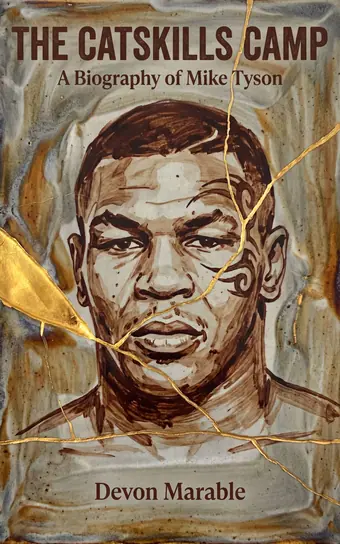
The Catskills Camp
Digital edition
Download link emailed the moment payment clears.
4,897 words · no email, no account
No. 175 · Sport · Boxing
a biography of Muhammad Ali (born Cassius Marcellus Clay Jr.)
Three autobiographies, an FBI file released only after his death, and the long lawyering of the Clay v. United States defense team: those are the records behind this book. Devon Marable works them with procedural rigour, in the dark and sensational register the subject calls for.
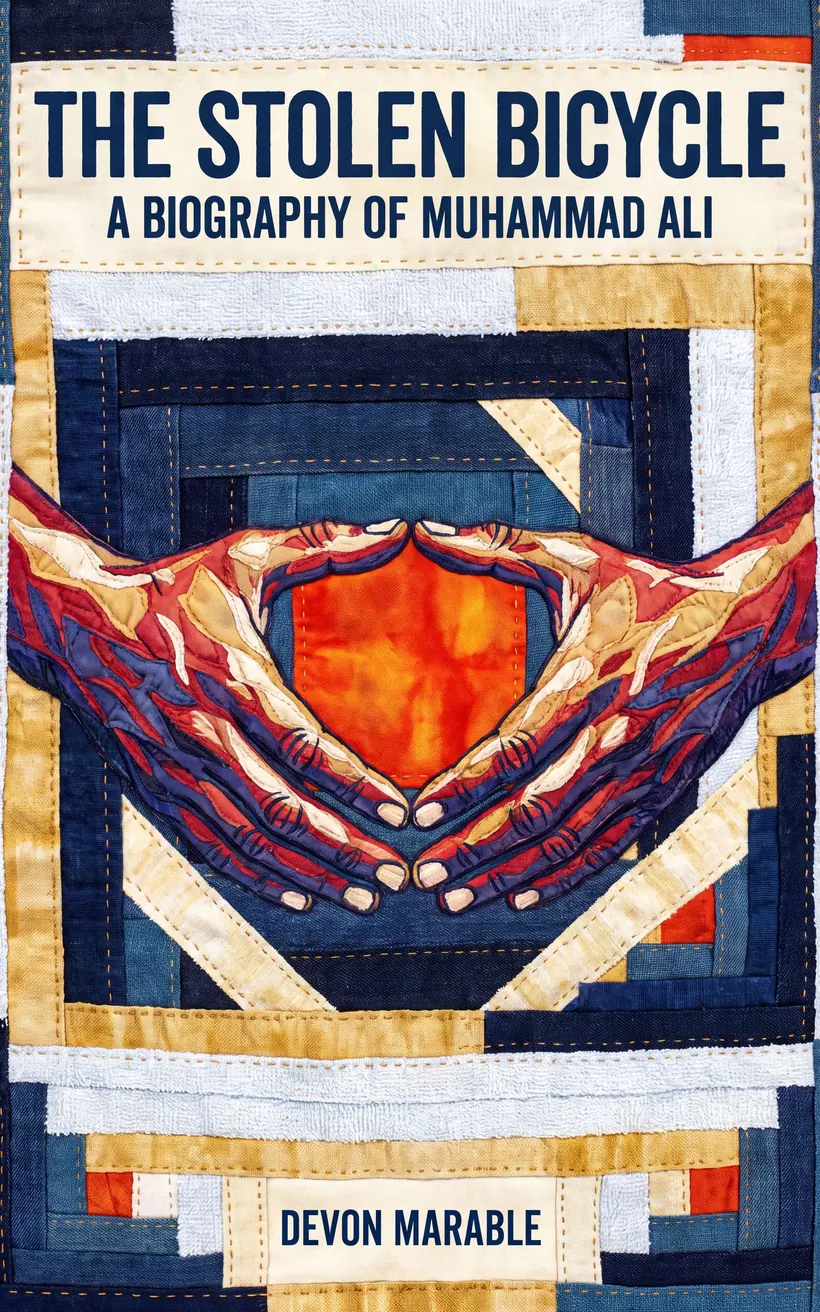
Cassius Marcellus Clay Jr. came out of Louisville, Kentucky, born there on January 17, 1942. He learned to box at twelve, after his bicycle was stolen, from a white Louisville police officer named Joe Martin who ran a youth gym. Light-heavyweight gold followed at the 1960 Rome Olympics. Sonny Liston went down for the heavyweight title on February 25, 1964. Three weeks later he joined the Nation of Islam and changed his name.
Then the refusal. He declined induction into the Vietnam-era draft on April 28, 1967, and was stripped of his title for it. The Supreme Court decided Clay v. United States in his favour on June 28, 1971. The fights people still argue about came after: Joe Frazier at Madison Square Garden in March 1971, the Fight of the Century; George Foreman in Zaire on October 30, 1974, beaten with the rope-a-dope; Frazier a third time in Manila in 1975. He retired in 1981.
What the book assembles is one man holding two positions at once, heavyweight champion of the world and the principled draft-refuser of his generation, and then a third, in Atlanta in 1996, when he lit the Olympic torch with the tremor of his Parkinson's, a tremor that had been thirty years coming. He died in Phoenix on June 3, 2016, and the Louisville Lip is in the record three times over in his own words.
The opening chapter is published in full — read it here.
Muhammad Ali (born Cassius Marcellus Clay Jr.). The title never carries the subject's name: it names one concrete thing out of the life — in this case The Stolen Bicycle — and the name goes on the line underneath.
No. No subject, estate, label or foundation had approval over the text, and none paid for a word of it. The cost of that independence is that no new interviews were conducted for the book; it is built from the public record, and it says on the page where a scene is reconstructed rather than documented.
Yes — the whole opening chapter and the writer's foreword, free and in full, with no email address and no account. That is 4,897 words of the book.
About 59,500 words, 18 chapters, 196 pages in the paperback.
Digital edition