The Ecuadorean Embassy
Digital edition
Ships in 2 to 5 working days. Delivery quoted from your address at checkout.
3,923 words · no email, no account
No. 016 · Movements · Dissidents & Whistleblowers
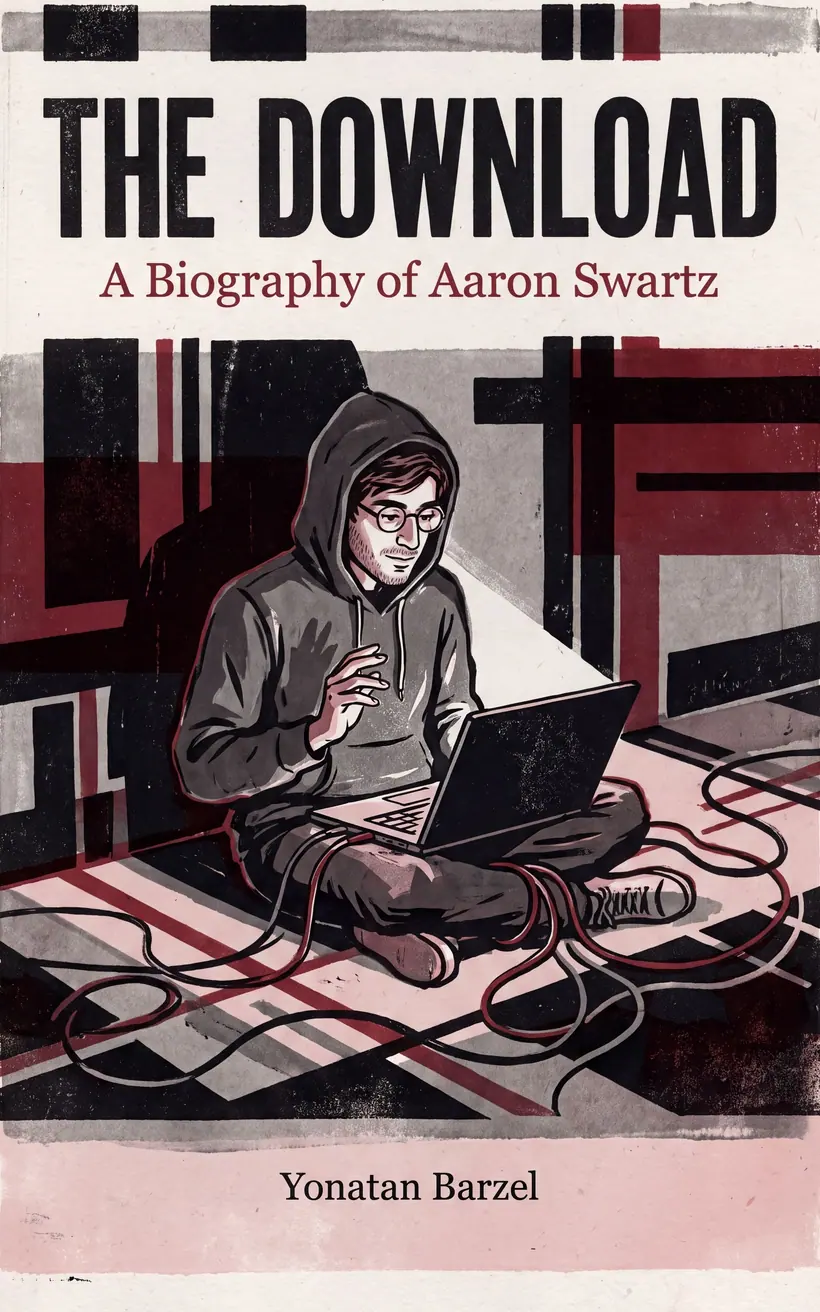
a biography of Aaron Hillel Swartz
At fourteen, he helped draft the specification that would shape how the open web syndicates itself. At twenty-six, he was facing thirty-five years in federal prison for downloading academic journals from a closet at MIT.
Between those two facts lies the life of Aaron Swartz: prodigy, programmer, reluctant millionaire, organizer, and the closest thing the early internet produced to a moral conscience. Yonatan Barzel traces Swartz's path from a Highland Park bedroom to the founding of Reddit, from the salons of Lawrence Lessig to the floor of Congress during the SOPA fight, from the Internet Archive to the Cambridge wiring closet that would end everything.
Drawing on Swartz's own prolific writing — the blog posts, the reading lists, the unfinished manuscripts — and on conversations with the family, lovers, lawyers, and fellow travelers who knew him, Levin resists the temptation to canonize. What emerges instead is a portrait of a young man who believed, with uncomfortable literalness, that information wanted to be free, and who could not finally reconcile the world he wanted with the one prosecuting him.
The Download is a biography, but it is also an argument about the cost of conviction in an age of surveillance, and about what a country chooses to do with its difficult children.
The opening chapter is published in full — read it here.
The printed edition has no ISBN registered yet. It affects library and retail listing, not your order.
Aaron Hillel Swartz. The title never carries the subject's name: it names one concrete thing out of the life — in this case The Download — and the name goes on the line underneath.
No. No subject, estate, label or foundation had approval over the text, and none paid for a word of it. The cost of that independence is that no new interviews were conducted for the book; it is built from the public record, and it says on the page where a scene is reconstructed rather than documented.
Yes — the whole opening chapter and the writer's foreword, free and in full, with no email address and no account. That is 3,923 words of the book.
About 59,500 words, 18 chapters, 193 pages in the paperback.
6 × 9 in, 60# uncoated cream, black ink, perfect-bound paperback, matte laminate. Every title in the series uses the same specification, so they line up on a shelf.
Digital edition
Digital edition