
The Vertical
Paperback · Hardcover
Download link emailed the moment payment clears.
4,308 words · no email, no account
No. 039 · Power & Politics · World Politics
a biography of Idi Amin Dada Oumee
Amin oversaw the killing of 300,000 Ugandans and died in a Saudi hospital bed. The figure is the conservative one, the estimate Amnesty International and the International Commission of Jurists were willing to stand behind. The bed was in the King Faisal Specialist Hospital, in 2003, at the end of a long Jeddah retirement paid for by his hosts. Between the two facts sit eight years of rule.
Idi Amin Dada Oumee came out of the West Nile region of the British protectorate of Uganda, around 1925. He served in the King's African Rifles of the British colonial army and rose to major-general in the post-independence Uganda Army under Milton Obote, whom he deposed in a military coup on January 25, 1971. Over the next eight years he expelled the country's Asian community and gave himself a title: His Excellency, President for Life, Field Marshal Al Hadji Doctor Idi Amin Dada, VC, DSO, MC, Lord of All the Beasts of the Earth and Fishes of the Seas, and Conqueror of the British Empire in Africa in General and Uganda in Particular. He had served that empire as a soldier.
Vivian Ashcombe's biography traces the arc through the colonial military service, the 1971 coup, the 1972 expulsion of 80,000 South Asians, the 1976 Israeli raid on Entebbe that rescued 102 hostages from an Air France hijacking, the long Anglican-bishops killing of 1977, and the 1978 Tanzanian invasion that drove Amin into exile.
What emerges is a portrait of a Ugandan military dictator whose eight years of personal rule remain the country's worst political wound, and of a long, quiet exile that the African political-history literature is still working out how to account for.
The opening chapter is published in full — read it here.
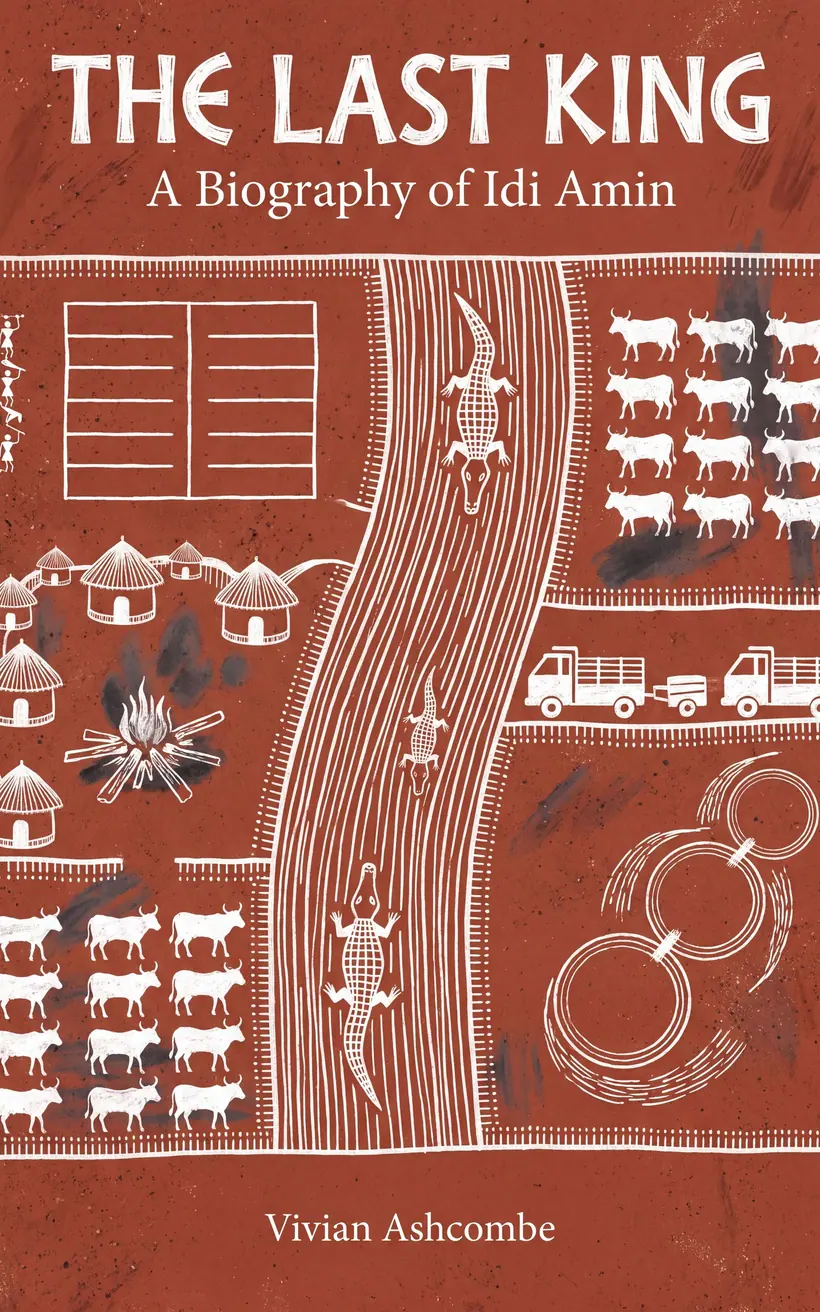
Idi Amin Dada Oumee. The title never carries the subject's name: it names one concrete thing out of the life — in this case The Last King — and the name goes on the line underneath.
No. No subject, estate, label or foundation had approval over the text, and none paid for a word of it. The cost of that independence is that no new interviews were conducted for the book; it is built from the public record, and it says on the page where a scene is reconstructed rather than documented.
Yes — the whole opening chapter and the writer's foreword, free and in full, with no email address and no account. That is 4,308 words of the book.
About 60,500 words, 18 chapters, 198 pages in the paperback.
Paperback · Hardcover

Paperback · Hardcover

Paperback · Hardcover