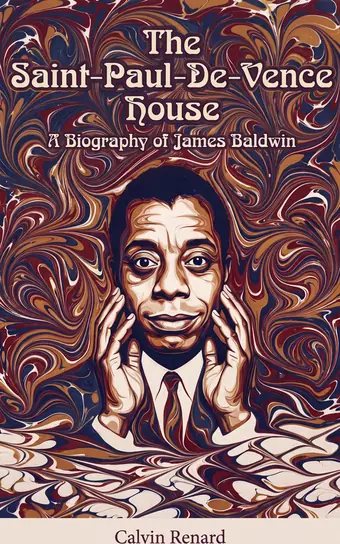
The Saint-Paul-De-Vence House
Paperback · Hardcover
Ships in 2 to 5 working days. Delivery quoted from your address at checkout.
3,456 words · no email, no account
No. 048 · Letters & Ideas · Literature
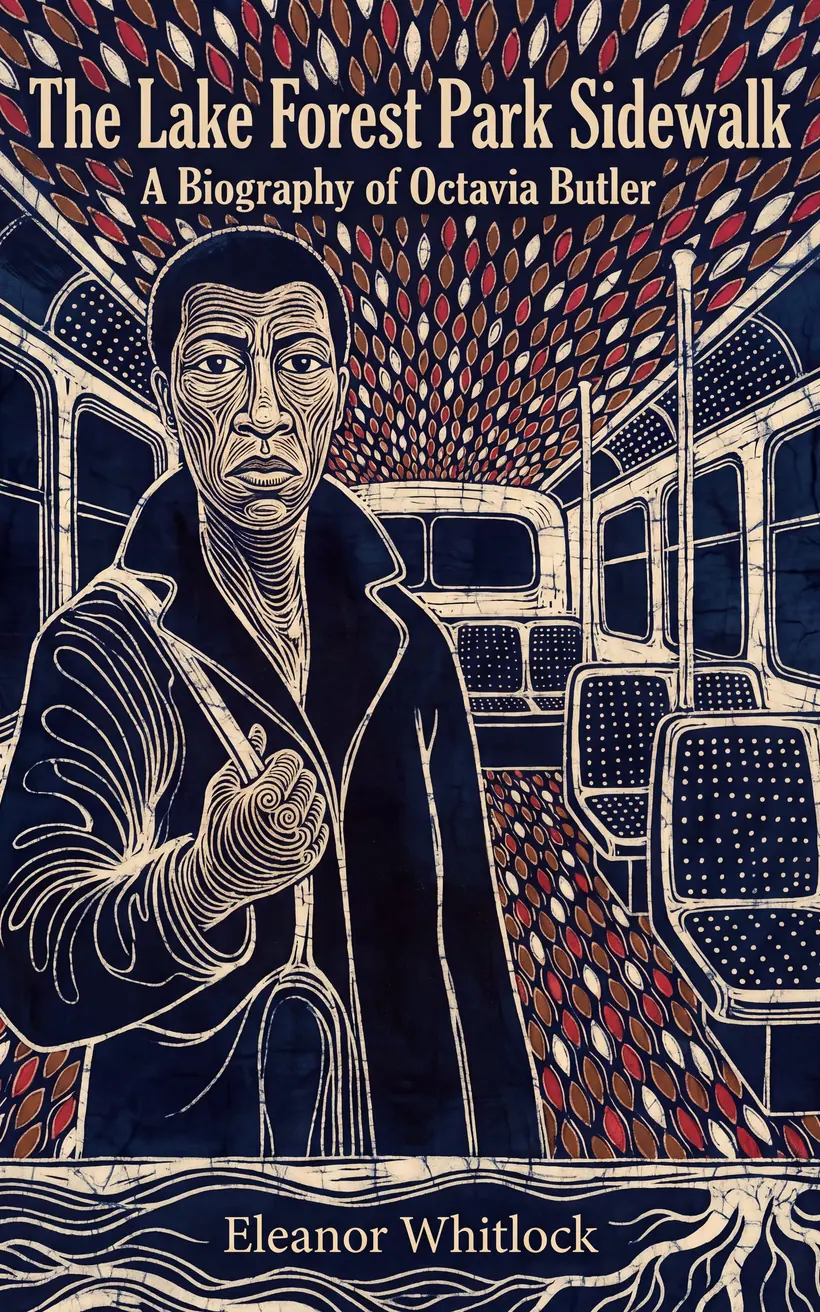
a biography of Octavia Estelle Butler
She was born on June 22, 1947, in Pasadena, California, the only surviving child of a shoeshine man and a maid. She read voraciously, wrote her first stories at ten, attended Pasadena City College on a scholarship, took a Clarion Writers Workshop summer course in 1970, sold her first story to Galaxy Science Fiction in 1971, and over twelve novels and the Patternist, Xenogenesis, and Parable trilogies became the first African-American woman to win the Hugo Award and the Nebula Award, and the first science-fiction writer to win the MacArthur Fellowship. She died on February 24, 2006, at fifty-eight, of a fall outside her Lake Forest Park, Washington, home.
Eleanor Whitlock's biography opens earlier — in the Pasadena childhood and the shyness that lasted her whole life — and follows the arc through the Pasadena City College years, the Clarion summer, the Kindred (1979) novel that opened the door, the long Patternist series, the Xenogenesis trilogy that the 1980s science-fiction community could not at first absorb, the 1995 MacArthur, the Parable novels and the unfinished Parable of the Trickster, the move to Seattle in 1999, and the morning of February 24, 2006.
What emerges is a portrait of an African-American science-fiction writer whose books the genre took thirty years to figure out how to read — and whose work the post-2016 American political situation has made the canonical literature of the moment.
The opening chapter is published in full — read it here.
The printed edition has no ISBN registered yet. It affects library and retail listing, not your order.
Octavia Estelle Butler. The title never carries the subject's name: it names one concrete thing out of the life — in this case The Lake Forest Park Sidewalk — and the name goes on the line underneath.
No. No subject, estate, label or foundation had approval over the text, and none paid for a word of it. The cost of that independence is that no new interviews were conducted for the book; it is built from the public record, and it says on the page where a scene is reconstructed rather than documented.
Yes — the whole opening chapter and the writer's foreword, free and in full, with no email address and no account. That is 3,456 words of the book.
About 64,000 words, 18 chapters, 205 pages in the paperback.
6 × 9 in, 60# uncoated cream, black ink, perfect-bound paperback, matte laminate. Every title in the series uses the same specification, so they line up on a shelf.
Paperback · Hardcover
Digital edition
Paperback · Hardcover