The Eight-Week March
Paperback
Ships in 2 to 5 working days. Delivery quoted from your address at checkout.
3,791 words · no email, no account
No. 065 · Movements · Civil Rights
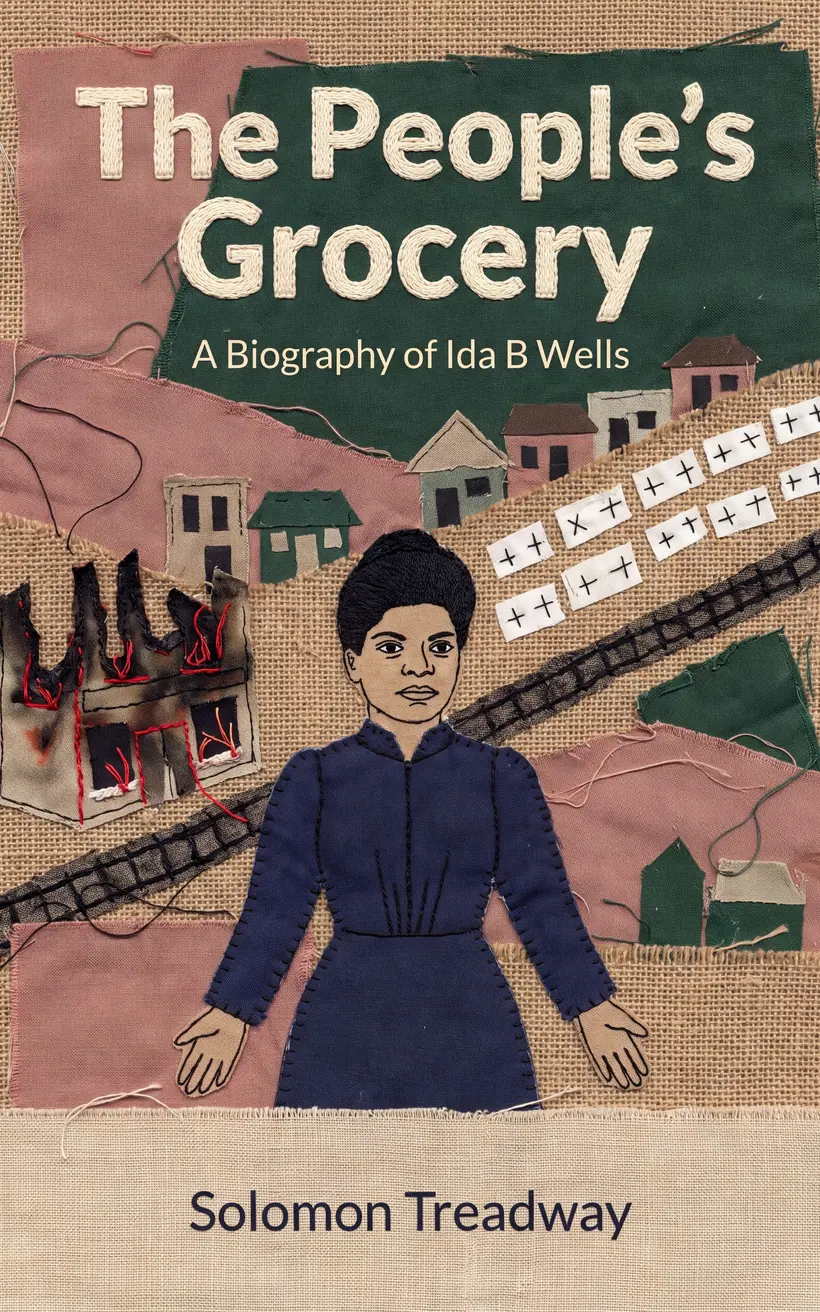
a biography of Ida Bell Wells-Barnett
She was born into slavery on July 16, 1862, in Holly Springs, Mississippi, six months before the Emancipation Proclamation. She lost both parents and a younger brother to the 1878 yellow-fever epidemic and at sixteen took a teaching post to keep her younger siblings fed. On March 9, 1892, three of her closest Memphis friends — Thomas Moss, Calvin McDowell, and Will Stewart, owners of the People's Grocery — were lynched. She published the pamphlets Southern Horrors in 1892 and The Red Record in 1895, documenting the names, dates, and circumstances of 728 lynchings. The Memphis paper offices that had published her column were burned. She co-founded the NAACP in 1909. She died in Chicago on March 25, 1931, at sixty-eight.
Solomon Treadway's biography opens earlier — in the Holly Springs Reconstruction childhood — and follows the arc through the Rust College years, the Memphis teaching and the 1884 railroad-coach lawsuit that the Tennessee Supreme Court overturned, the Free Speech newspaper years and the 1892 lynching of her friends, the Lloyd-George-financed British speaking tours of 1893 and 1894, the 1895 marriage to Ferdinand Barnett, the founding of the Negro Fellowship League, the long Chicago years, and the 1931 death at Daily Defender house.
What emerges is a portrait of the most important anti-lynching investigative journalist in American history — and the work she did alone, with a notebook and a railroad pass, before the institutions she helped build existed.
The opening chapter is published in full — read it here.
The printed edition has no ISBN registered yet. It affects library and retail listing, not your order.
Ida Bell Wells-Barnett. The title never carries the subject's name: it names one concrete thing out of the life — in this case The People's Grocery — and the name goes on the line underneath.
No. No subject, estate, label or foundation had approval over the text, and none paid for a word of it. The cost of that independence is that no new interviews were conducted for the book; it is built from the public record, and it says on the page where a scene is reconstructed rather than documented.
Yes — the whole opening chapter and the writer's foreword, free and in full, with no email address and no account. That is 3,791 words of the book.
About 63,000 words, 19 chapters, 210 pages in the paperback.
6 × 9 in, 60# uncoated cream, black ink, perfect-bound paperback, matte laminate. Every title in the series uses the same specification, so they line up on a shelf.