The Estadio Chile
Paperback
Ships in 2 to 5 working days. Delivery quoted from your address at checkout.
4,329 words · no email, no account
No. 082 · Music · World
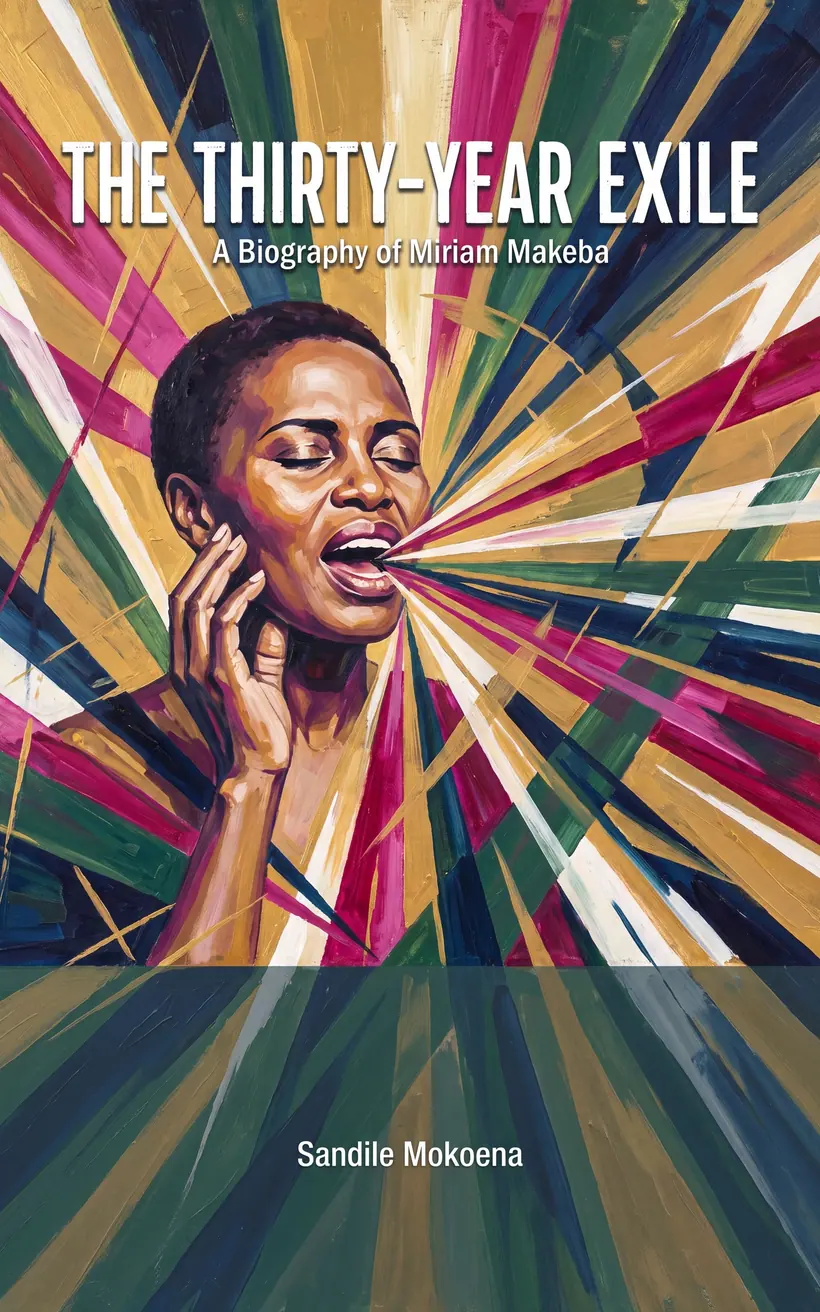
a biography of Zenzile Miriam Makeba
She was born Zenzile Miriam Makeba on March 4, 1932, in Prospect Township, Johannesburg, six months after her mother had served a six-month prison sentence for brewing umqombothi beer. She joined the Manhattan Brothers township-jazz band in 1953, made the 1959 anti-apartheid film Come Back, Africa with Lionel Rogosin, and was stripped of her South African citizenship in 1960 after she testified to the United Nations General Assembly. She lived in exile for thirty-one years — in the United States, in Guinea after her 1968 marriage to Stokely Carmichael cost her the U.S. recording contract, in Brussels, in Lagos — and returned to South Africa in June 1990 at Nelson Mandela's invitation, two months after his release from Robben Island. She died on stage in Castel Volturno, Italy, on November 9, 2008, at seventy-six, of a heart attack between the second and the third encore of her concert against the Camorra.
Sandile Mokoena's biography opens earlier and follows the arc through the township-jazz years and the Come Back, Africa breakthrough, the long Harry Belafonte mentorship and the Pata Pata 1967 hit, the Carmichael marriage and the U.S. recording-contract loss, the Guinea years and the long African tours, the 1987 Graceland tour with Paul Simon, the 1990 return to South Africa, the 2005 Lifetime Achievement Grammy, and the concert in Castel Volturno.
What emerges is a portrait of the Mama Africa whose thirty-one-year exile the South African government enforced and the rest of the world's anti-apartheid movement honored, and whose death on the stage of a Naples-suburb anti-Camorra concert was the death the music world spent the next two decades writing about.
The opening chapter is published in full — read it here.
The printed edition has no ISBN registered yet. It affects library and retail listing, not your order.
Zenzile Miriam Makeba. The title never carries the subject's name: it names one concrete thing out of the life — in this case The Thirty-Year Exile — and the name goes on the line underneath.
No. No subject, estate, label or foundation had approval over the text, and none paid for a word of it. The cost of that independence is that no new interviews were conducted for the book; it is built from the public record, and it says on the page where a scene is reconstructed rather than documented.
Yes — the whole opening chapter and the writer's foreword, free and in full, with no email address and no account. That is 4,329 words of the book.
About 62,000 words, 19 chapters, 192 pages in the paperback.
6 × 9 in, 60# uncoated cream, black ink, perfect-bound paperback, matte laminate. Every title in the series uses the same specification, so they line up on a shelf.
Paperback
Paperback