The Eight-Week March
Paperback
Ships in 2 to 5 working days. Delivery quoted from your address at checkout.
6,816 words · no email, no account
No. 097 · Movements · Civil Rights
a biography of Bantu Stephen Biko
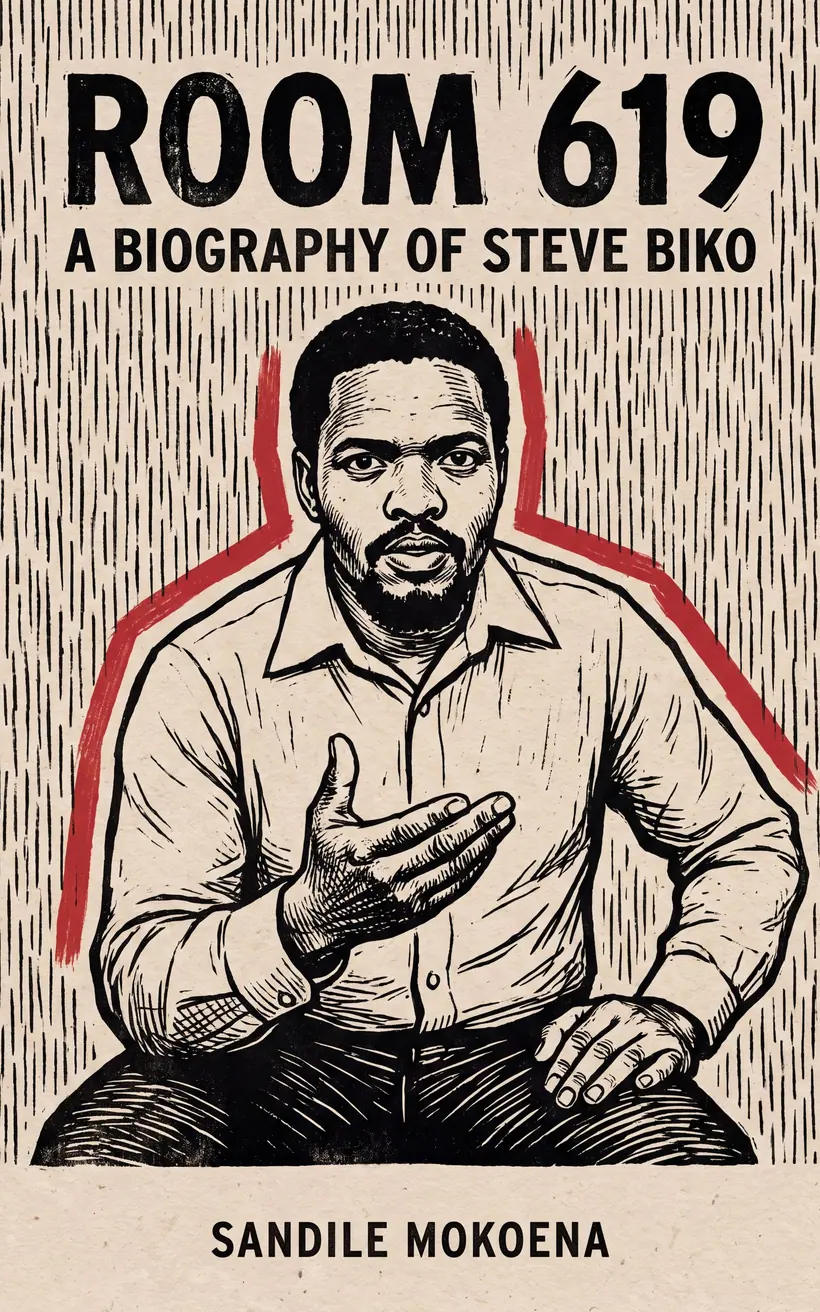
On the morning of 12 September 1977, a naked, manacled prisoner was driven seven hundred and forty miles in the back of a Land Rover from Port Elizabeth to Pretoria. He arrived at Room 619 of the Pretoria Central Prison hospital wing already dying. He was thirty years old. The state would call it a hunger strike. The world would call it murder.
Sandile Mokoena retraces the short, incandescent life of Stephen Bantu Biko: medical student, township organiser, and architect of Black Consciousness — the philosophy that taught a generation of South Africans to refuse the inheritance of shame. Drawing on Security Branch transcripts, inquest records, and the recollections of those who knew him in Ginsberg, Durban and King William's Town, she follows Biko from the founding of SASO through the banning orders, the clandestine meetings at Zanempilo Clinic, and the final twenty-six days of detention.
Mokoena writes with the patience of an archivist and the ear of a novelist. He is interested in the man before the martyr: the reader of Fanon and Aimé Césaire, the husband and father, the comrade with a gift for laughter and an unsettling steadiness under interrogation.
What emerges is a portrait of a thinker whose central insistence — that liberation begins in the mind — outlived the room in which he died, and continues to ask its question of us.</br>
The opening chapter is published in full — read it here.
The printed edition has no ISBN registered yet. It affects library and retail listing, not your order.
Bantu Stephen Biko. The title never carries the subject's name: it names one concrete thing out of the life — in this case Room 619 — and the name goes on the line underneath.
No. No subject, estate, label or foundation had approval over the text, and none paid for a word of it. The cost of that independence is that no new interviews were conducted for the book; it is built from the public record, and it says on the page where a scene is reconstructed rather than documented.
Yes — the whole opening chapter and the writer's foreword, free and in full, with no email address and no account. That is 6,816 words of the book.
About 60,000 words, 18 chapters, 199 pages in the paperback. The audiobook runs 6h 30m, measured from the finished masters.
6 × 9 in, 60# uncoated cream, black ink, perfect-bound paperback, matte laminate. Every title in the series uses the same specification, so they line up on a shelf.
Yes: state-sponsored murder; torture. They are listed before you buy rather than discovered afterwards. The material is handled as evidence, not as spectacle.
Listed before you buy, not after.