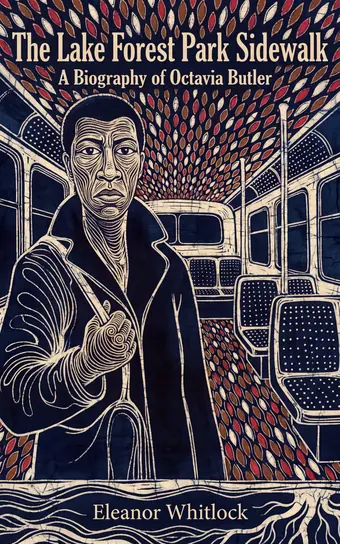
The Lake Forest Park Sidewalk
Paperback
Ships in 2 to 5 working days. Delivery quoted from your address at checkout.
4,521 words · no email, no account
No. 086 · Letters & Ideas · Literature
a biography of Albert Chinụalụmọgụ Achebe
He was born Albert Chinụalụmọgụ Achebe on November 16, 1930, in Ogidi, Anambra State, the fifth of six children of an Anglican mission teacher. He read English literature at the University College Ibadan in the early 1950s, joined the Nigerian Broadcasting Service in 1954, and published Things Fall Apart in 1958. The novel sold more than twenty million copies and was translated into fifty-seven languages, more than any other work of African literature. He was thirty-eight when the Biafran War began in 1967. He served as a diplomatic envoy for the breakaway Republic of Biafra and was nearly killed by Federal Army shelling at the Biafra Radio compound in Aba in early 1969. He survived a March 1990 car accident on the Lagos-Owerri highway that left him paralysed from the waist down. He died in Boston on March 21, 2013, at eighty-two.
Eleanor Whitlock's biography opens earlier and follows the arc with the patience the subject's career deserves. The book traces the Ogidi childhood and the Government College Umuahia secondary years, the University College Ibadan and the University Herald editorship, the Things Fall Apart manuscript and the William Heinemann publication, the long African Writers Series at Heinemann that Achebe edited from 1962 to 1972, the Biafran War years and the Beware Soul Brother poems, the 1990 car accident and the long second life in Boston, the Anthills of the Savannah shortlisted Booker, and the 2007 Man Booker International Prize.
What emerges is a portrait of the Nigerian novelist whose Things Fall Apart the post-1958 history of African literature is in many respects the long unfolding of.
The opening chapter is published in full — read it here.
The printed edition has no ISBN registered yet. It affects library and retail listing, not your order.
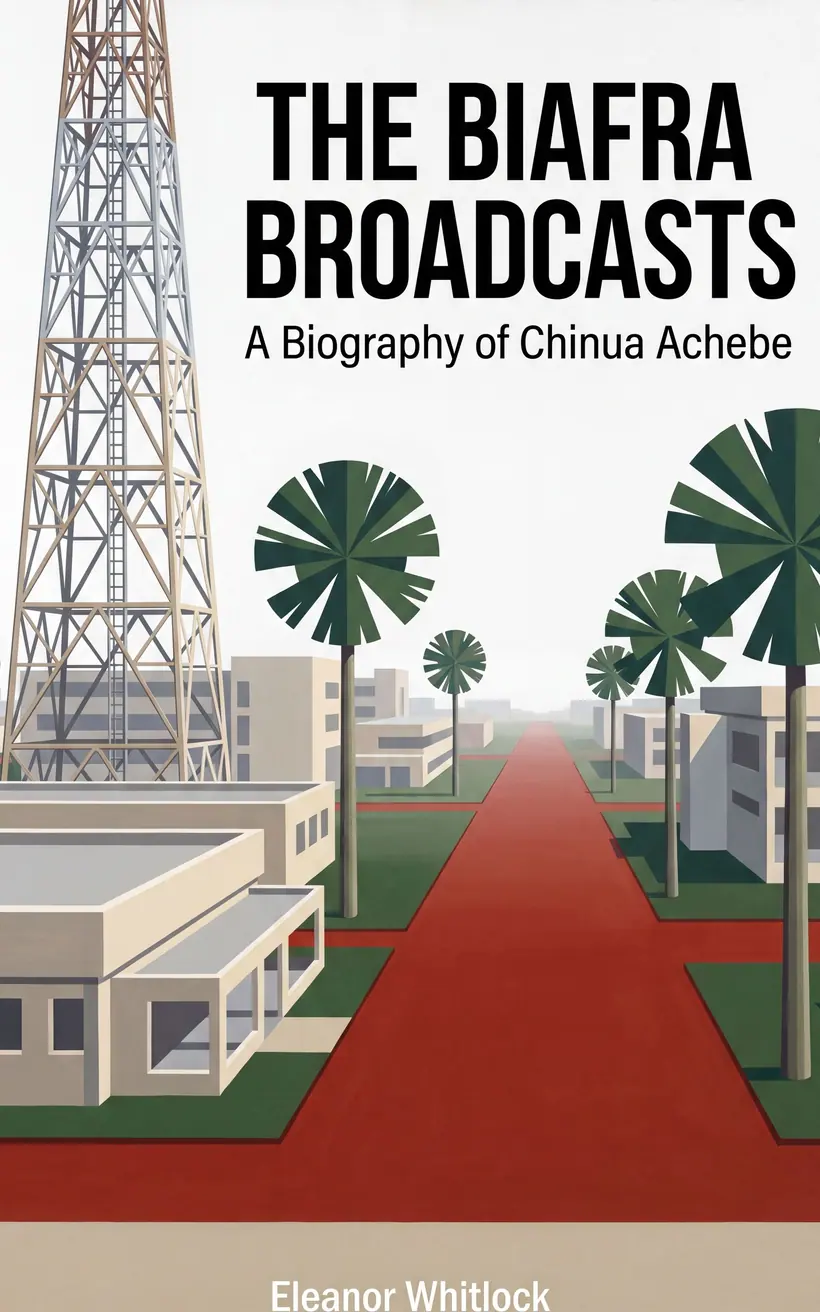
Albert Chinụalụmọgụ Achebe. The title never carries the subject's name: it names one concrete thing out of the life — in this case The Biafra Broadcasts — and the name goes on the line underneath.
No. No subject, estate, label or foundation had approval over the text, and none paid for a word of it. The cost of that independence is that no new interviews were conducted for the book; it is built from the public record, and it says on the page where a scene is reconstructed rather than documented.
Yes — the whole opening chapter and the writer's foreword, free and in full, with no email address and no account. That is 4,521 words of the book.
About 60,500 words, 18 chapters, 198 pages in the paperback.
6 × 9 in, 60# uncoated cream, black ink, perfect-bound paperback, matte laminate. Every title in the series uses the same specification, so they line up on a shelf.
Paperback
Paperback · Hardcover
Digital edition