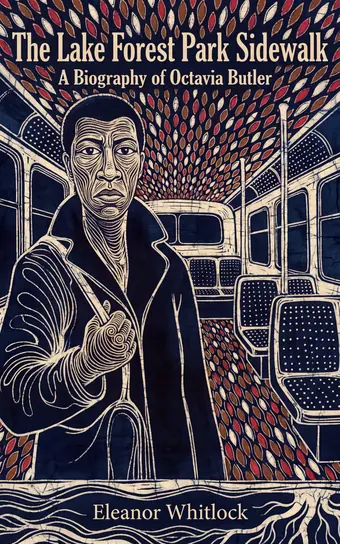
The Lake Forest Park Sidewalk
Paperback
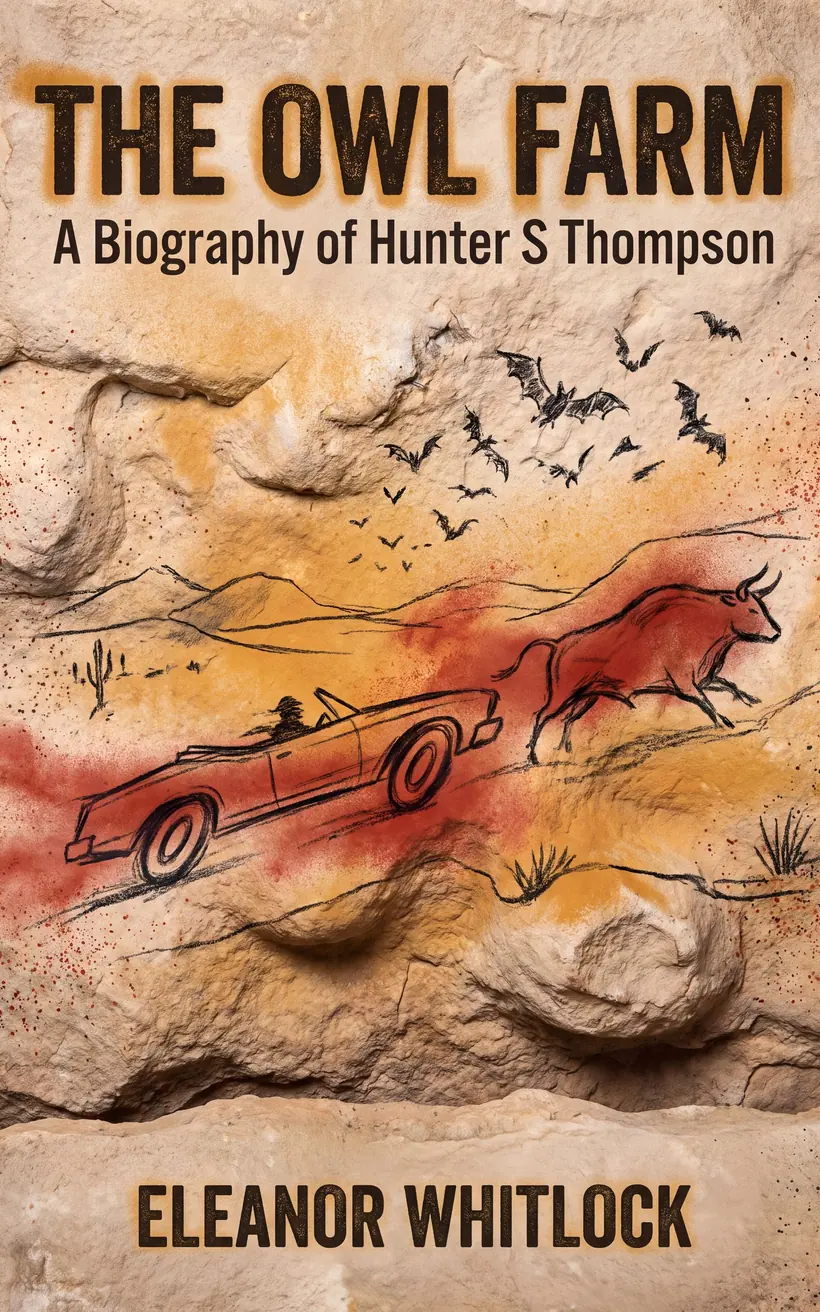
Ships in 2 to 5 working days. Delivery quoted from your address at checkout.
4,774 words · no email, no account
No. 226 · Letters & Ideas · Literature
a biography of Hunter Stockton Thompson
February 20, 2005, Owl Farm, the writer's compound in Woody Creek, Colorado. Hunter Stockton Thompson, sixty-seven, the Rolling Stone contributing editor who had invented gonzo journalism with Fear and Loathing in Las Vegas and Fear and Loathing on the Campaign Trail '72, sits at his kitchen typewriter, calls his son Juan, his daughter-in-law Jennifer, and his fourth wife Anita to the kitchen, and shoots himself in the head with a Smith & Wesson model 645 .45 ACP semi-automatic pistol. He has been on his second year of post-broken-leg recovery. He has stated for two years that he plans to commit suicide on his own schedule. His ashes are fired from a 153-foot fist-and-peyote-button cannon at his Woody Creek property on August 20, 2005, in a ceremony funded by Johnny Depp.
Eleanor Whitlock's biography opens earlier and follows the arc with the documentary rigour the subject's late-career myth-machine has obscured. The book covers the Louisville, Kentucky childhood and the long Castlewood-Athletic-Club early years, the Air Force enlistment and the long Eglin Air Force Base sports-journalism years, the 1959 Time Inc. copy-boy career, the 1965 Hell's Angels year that produced Hell's Angels: A Strange and Terrible Saga, the 1971 Fear and Loathing in Las Vegas assignment for Sports Illustrated that Rolling Stone eventually published, the 1972 George McGovern Wisconsin and New Hampshire primary coverage, the long Owl Farm purchase and the Sandra Conklin and Anita Bejmuk marriages, the 1992 Pat Buchanan New Hampshire coverage, the 2000 Kingdom of Fear memoir, the 2004 broken-leg fall, and the February 2005 kitchen.
What emerges is a portrait of the Louisville-born investigative-and-gonzo journalist whose forty-year body of work invented the most consequential first-person register in post-1965 American journalism — and the Owl Farm kitchen where he chose to end it.
The opening chapter is published in full — read it here.
The printed edition has no ISBN registered yet. It affects library and retail listing, not your order.
Hunter Stockton Thompson. The title never carries the subject's name: it names one concrete thing out of the life — in this case The Owl Farm — and the name goes on the line underneath.
No. No subject, estate, label or foundation had approval over the text, and none paid for a word of it. The cost of that independence is that no new interviews were conducted for the book; it is built from the public record, and it says on the page where a scene is reconstructed rather than documented.
Yes — the whole opening chapter and the writer's foreword, free and in full, with no email address and no account. That is 4,774 words of the book.
About 63,500 words, 18 chapters, 187 pages in the paperback.
6 × 9 in, 60# uncoated cream, black ink, perfect-bound paperback, matte laminate. Every title in the series uses the same specification, so they line up on a shelf.
Yes: addiction; suicide. They are listed before you buy rather than discovered afterwards. The material is handled as evidence, not as spectacle.
Listed before you buy, not after.
Paperback
Paperback · Hardcover
Digital edition