The Twelve Adopted Children
Paperback
Download link emailed the moment payment clears.
4,685 words · no email, no account
No. 256 · Music · Jazz
a biography of John William Coltrane
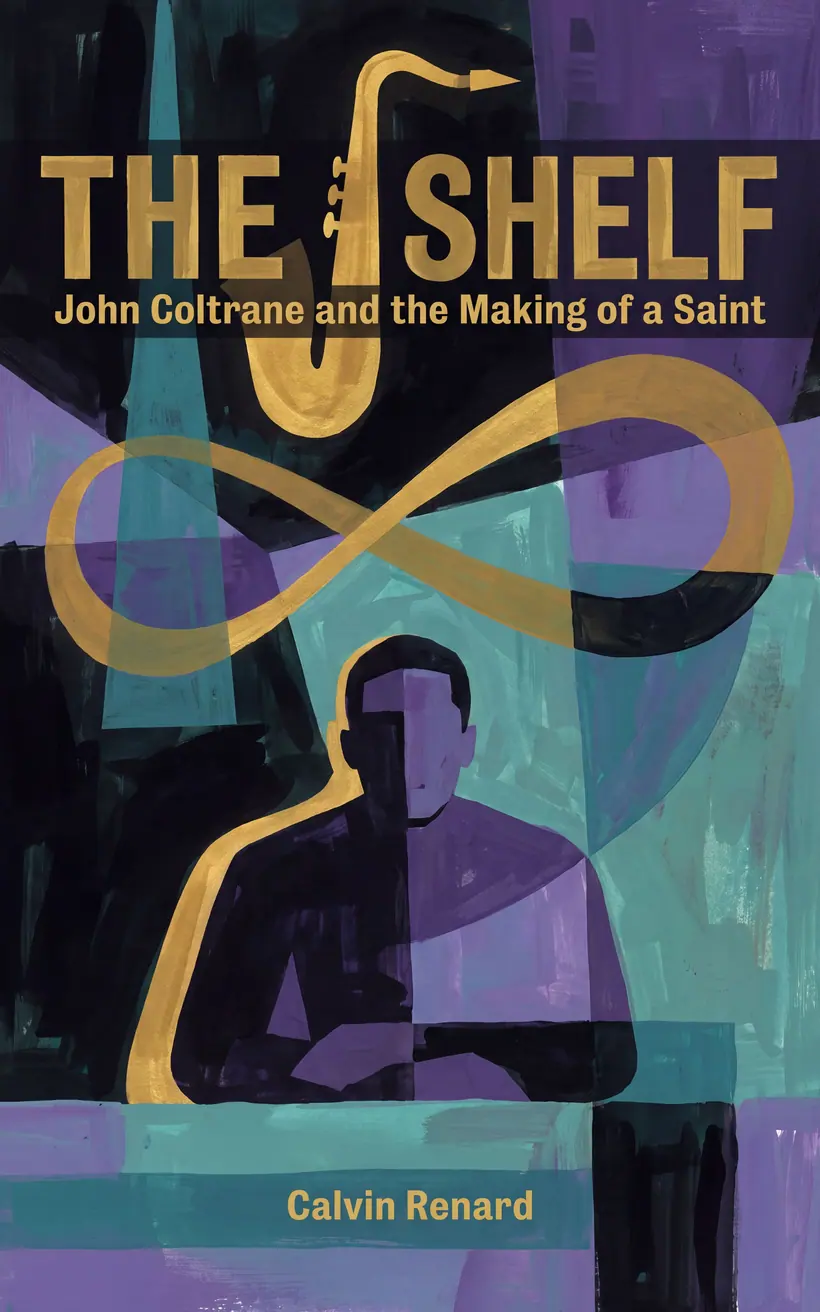
A tape from Seattle, shelved and never released, is the most characteristic thing John Coltrane left behind. He did not refuse it and he did not put it out. A shelf is not a decision; it is a decision handed to whoever outlives you, and a great many people took it up.
Two of them were Franzo and Marina King, in their twenties, who walked into the Jazz Workshop at Broadway and Columbus in San Francisco on the night of September 18, 1965. No set list survives, no count of who paid, no tape. What survives is their testimony that they had gone to hear a saxophone player and come out of a baptism administered without water. Coltrane turned thirty-nine five days later. He was under contract and meeting a payroll, and he had less than two years to live. The church they founded in 1969 still meets on Sunday mornings.
This book argues that the sainthood was a transaction, and that much of it was completed while he was alive and standing on a bandstand. For ten years he converted private wreckage into public sound, and an American audience looking for a redeemer found the sound sufficient. He supplied the sound. Other people supplied the meaning, frequently in good faith, and always without him. The question is not whether he was a saint. It is who needed him to be one, and what they had to leave out of him to do it.
Both easy versions are refused. Junkie in, mystic out cannot survive its own evidence: he stopped using heroin and stopped nothing else. The exposé is the same story with the sign reversed. No dialogue is invented, and no sales figure or contract term appears, because no accounting is public. Alice Coltrane sued the congregation in 1981 over her husband's name, then administered it herself until she died in 2007. In 1982 the church reclassified him from God to saint. It is a reduction, formally recorded, and the most Coltrane-like act anyone has performed in his name.
The opening chapter is published in full — read it here.
John William Coltrane. The title never carries the subject's name: it names one concrete thing out of the life — in this case The Shelf — and the name goes on the line underneath.
No. No subject, estate, label or foundation had approval over the text, and none paid for a word of it. The cost of that independence is that no new interviews were conducted for the book; it is built from the public record, and it says on the page where a scene is reconstructed rather than documented.
Yes — the whole opening chapter and the writer's foreword, free and in full, with no email address and no account. That is 4,685 words of the book.
About 74,000 words, 22 chapters, 240 pages in the paperback.
Paperback
Paperback · Hardcover
Digital edition