
The Thirteen-Year Conservatorship
Paperback · Hardcover
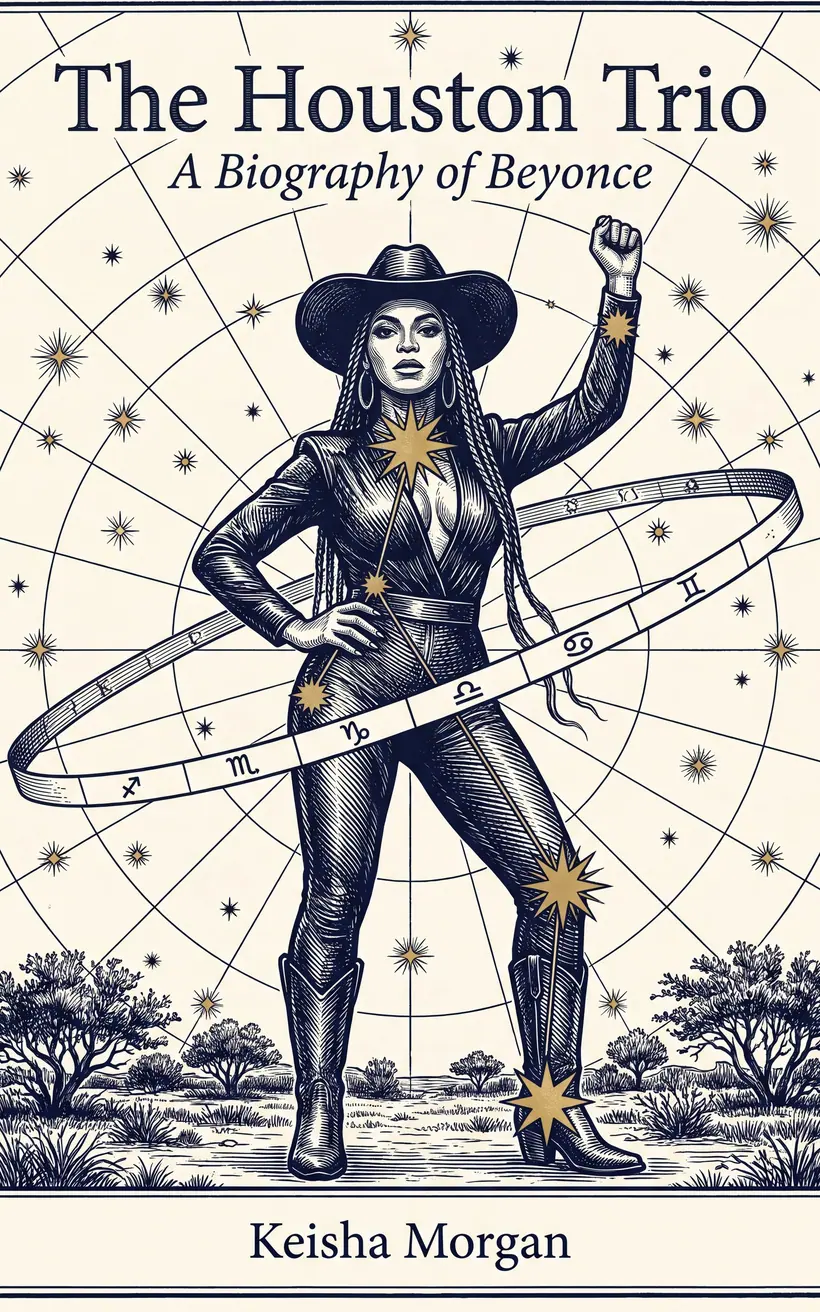
Ships in 2 to 5 working days. Delivery quoted from your address at checkout.
3,128 words · no email, no account
No. 167 · Music · Pop
a biography of Beyoncé Giselle Knowles-Carter
She was born Beyoncé Giselle Knowles on September 4, 1981, in Houston, Texas, the elder of two daughters of an IBM account executive and a beauty-salon owner. She was a member of Girl's Tyme, the precursor to Destiny's Child, by ten. She lost on Star Search on March 6, 1993. She rode home in the family Suburban and her father quit his Xerox job ten weeks later to manage the group full time. Destiny's Child signed to Columbia in 1997, released The Writing's on the Wall in 1999, and Survivor in 2001. Dangerously in Love (2003) launched her solo career. Lemonade (2016) and Renaissance (2022) defined the second decade of her solo work. She married Jay-Z in April 2008 and has three children — Blue Ivy (2012), Sir and Rumi (twins, 2017). She won the Album of the Year Grammy on her fifth nomination at the 2025 ceremony for Cowboy Carter — her first AOTY win and the first time the country category had been won by a Black woman.
Keisha Morgan's biography traces the arc through the Houston childhood and the long Destiny's Child years, the Mathew Knowles management and the family-management complications, the Crazy in Love solo breakthrough, the 2008 Jay-Z marriage and the long Roc Nation joint career, the 2013 Pepsi-Super-Bowl-and-self-titled-album visual-album invention, the 2016 Lemonade and the Beyhive cultural-criticism era, the 2020 Black Is King and the 2023 Renaissance world tour, and the 2024 Cowboy Carter and the country-music conversation it forced.
What emerges is a portrait of the most decorated American popular musician of the post-2000 era — and the family infrastructure that has made her career possible.
The opening chapter is published in full — read it here.
The printed edition has no ISBN registered yet. It affects library and retail listing, not your order.
Beyoncé Giselle Knowles-Carter. The title never carries the subject's name: it names one concrete thing out of the life — in this case The Houston Trio — and the name goes on the line underneath.
No. No subject, estate, label or foundation had approval over the text, and none paid for a word of it. The cost of that independence is that no new interviews were conducted for the book; it is built from the public record, and it says on the page where a scene is reconstructed rather than documented.
Yes — the whole opening chapter and the writer's foreword, free and in full, with no email address and no account. That is 3,128 words of the book.
About 63,000 words, 19 chapters, 141 pages in the paperback.
6 × 9 in, 60# uncoated cream, black ink, perfect-bound paperback, matte laminate. Every title in the series uses the same specification, so they line up on a shelf.
Paperback · Hardcover
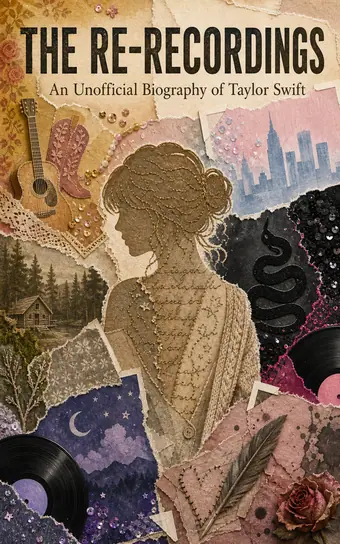
Digital edition

Digital edition