The Opening
Paperback
Download link emailed the moment payment clears.
4,454 words · no email, no account
No. 274 · Power & Politics · History
a biography of Amelia Mary Earhart
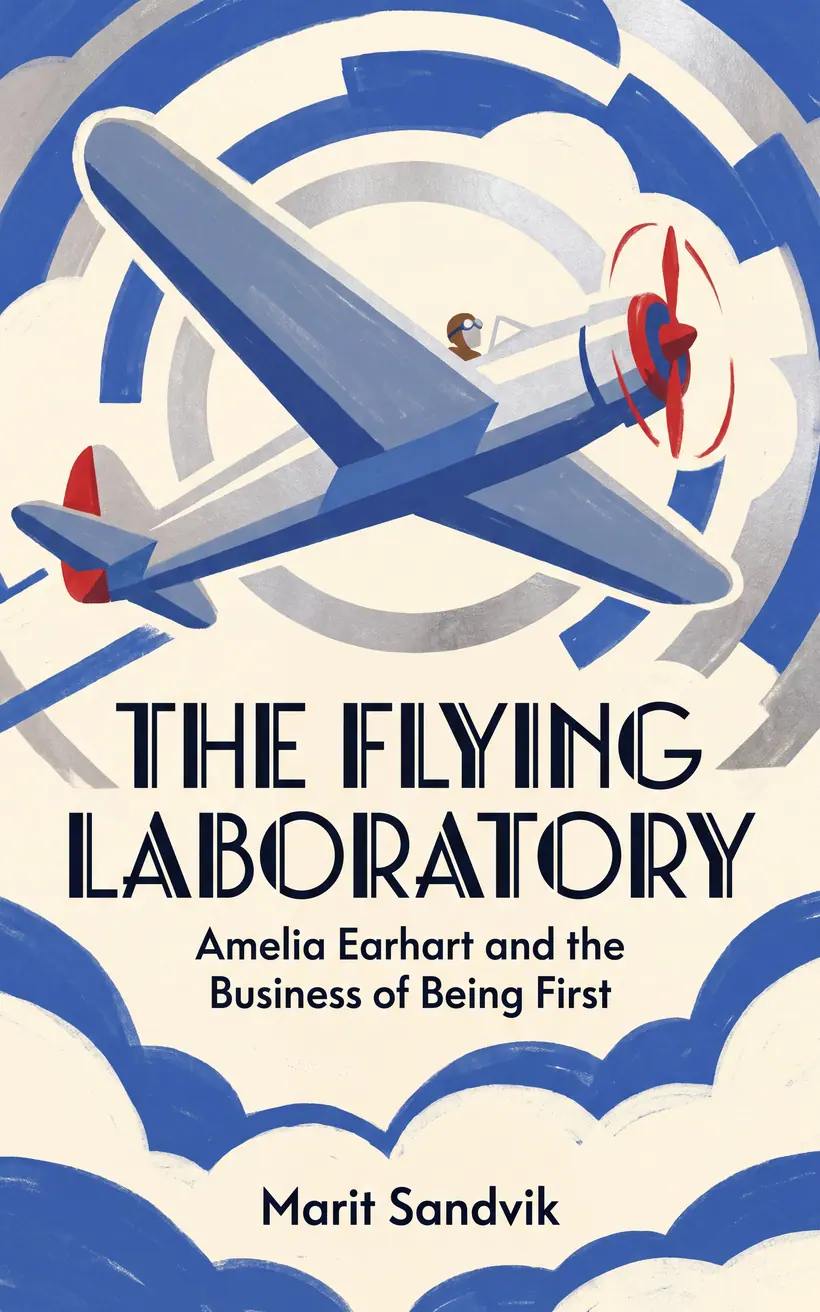
The Electra lifted off a dirt strip at Lae, New Guinea, on the morning of 2 July 1937, bound for an island a mile and a half long, and it has never been found. Chapter 18 is built from the log of the cutter Itasca: transmissions received strong and never answered, frequencies that did not match, a direction finder that would not deliver a bearing. There is no cockpit dialogue in it and no reconstructed final minutes. The record stops where the record stops. What came after is the last act of the biography, not an appendix: a partial skeleton found in 1940, recorded as male and then lost; a photograph broadcast in 2017 and traced to a Japanese travel book from 1935 two days later; a sonar target announced in 2024 and conceded to be rock by the man who announced it. No physical artifact has ever been authenticated to Amelia Earhart, Fred Noonan, or NR16020.
Her fame and her death came out of the same machine, and she built and ran it herself. In 1928 the publisher George Palmer Putnam, who had already turned Lindbergh into a bestseller, went looking for an American woman to be carried across the Atlantic in an aircraft an heiress had bought and been forbidden to fly. Earhart kept the log and did not touch the controls, and said so for years afterward: she had been baggage, a sack of potatoes. The book was in print inside the year, and what followed was an economy with one rule: every record larger than the last, paid for in advance. The Lockheed 10E was announced to the press as a flying laboratory, and nothing in the published record sets out a research program, an instrument list, or a finding. The other account is equally true, and this one refuses to choose: the Atlantic alone in 1932 with ice on the wings and fuel running down the back of her neck; the Ninety-Nines; the Equal Rights Amendment; clothes cut for women who moved, with parachute silk in the blouses.
The opening chapter is published in full — read it here.
Amelia Mary Earhart. The title never carries the subject's name: it names one concrete thing out of the life — in this case The Flying Laboratory — and the name goes on the line underneath.
No. No subject, estate, label or foundation had approval over the text, and none paid for a word of it. The cost of that independence is that no new interviews were conducted for the book; it is built from the public record, and it says on the page where a scene is reconstructed rather than documented.
Yes — the whole opening chapter and the writer's foreword, free and in full, with no email address and no account. That is 4,454 words of the book.
About 68,500 words, 21 chapters, 222 pages in the paperback.